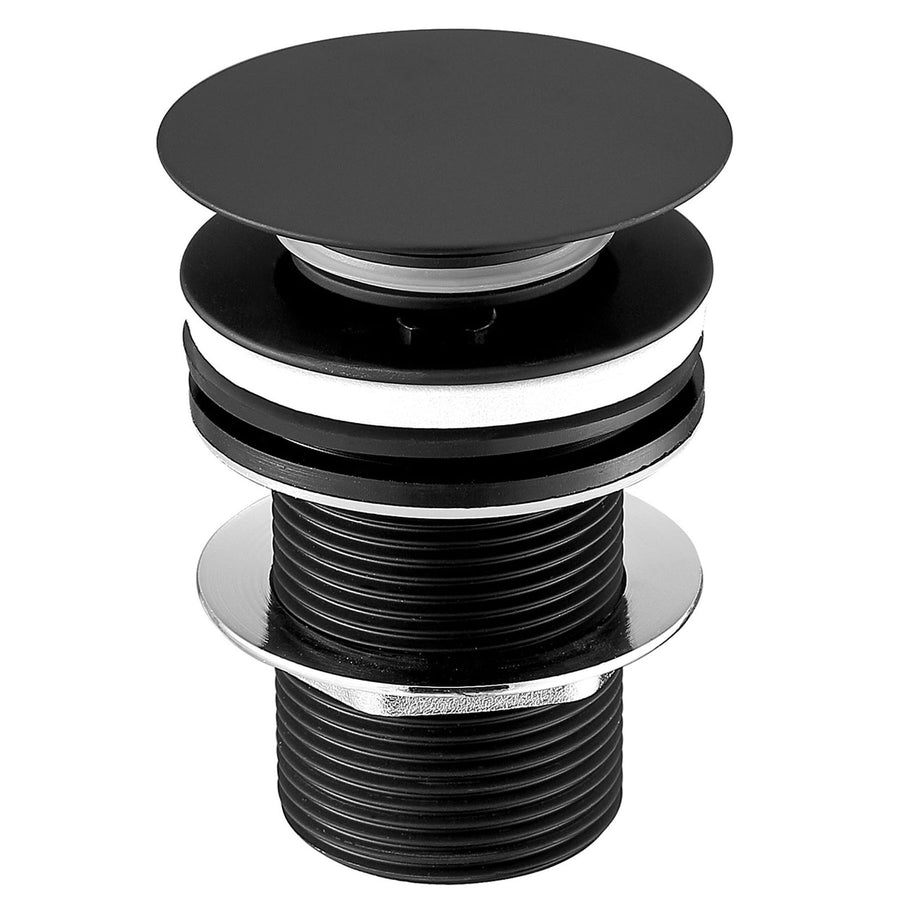
Basin wastes are widely favored in bathrooms for their ease of maintenance and cleaning. Available in both slotted and unslotted variations, they offer a diverse array of styles to suit different preferences. Choosing the right basin waste entails considering factors such as design compatibility and integration with tapware. Whether opting for a traditional slotted waste or a modern unslotted version, ensuring seamless harmony with the basin's style and functionality is paramount.
 |
| Image Credit : Tapron.co.uk |
The design distinction between basin waste and bath waste lies primarily in their overflow features. Slotted wastes, with their traditional appeal, are suitable for basins without overflows, but compatibility varies across basin types. Integration with tapware and maintenance considerations further influence the choice, emphasizing the importance of selecting a basin waste that enhances both functionality and aesthetic appeal in the bathroom setting.
 |
| Image Credit : Tapron.co.uk |
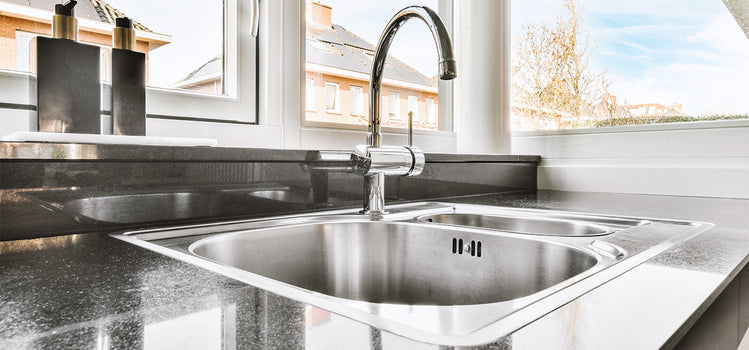
Basin wastes typically employ a lever and rod mechanism for operation, conveniently situated at the rear of the basin faucet. This setup is widely favored due to its commonality and ease of use, making it a popular choice not only in commercial and public bathrooms but also in residential settings. With a simple push-down action, the rod opens the waste, effectively preventing overflows and facilitating efficient drainage. Furthermore, the straightforward lever and rod design ensures effortless removal, although selecting the appropriate type of basin waste from the diverse range available on the market is essential for optimal functionality and compatibility.
 |
| Image Credit : Goldbathroom.uk |
In our discussion of whether to use bath waste or basin waste, it's important to understand the different types and styles of basin taps available. You can explore a comprehensive guide to basin taps, including their various types and styles, to make an informed decision for your bathroom. Check out the link here : https://goldbathroom.uk/blogs/news/basin-taps-guide-gold-bathroom-uk
 |
| Image Credit : Tapron.co.uk |
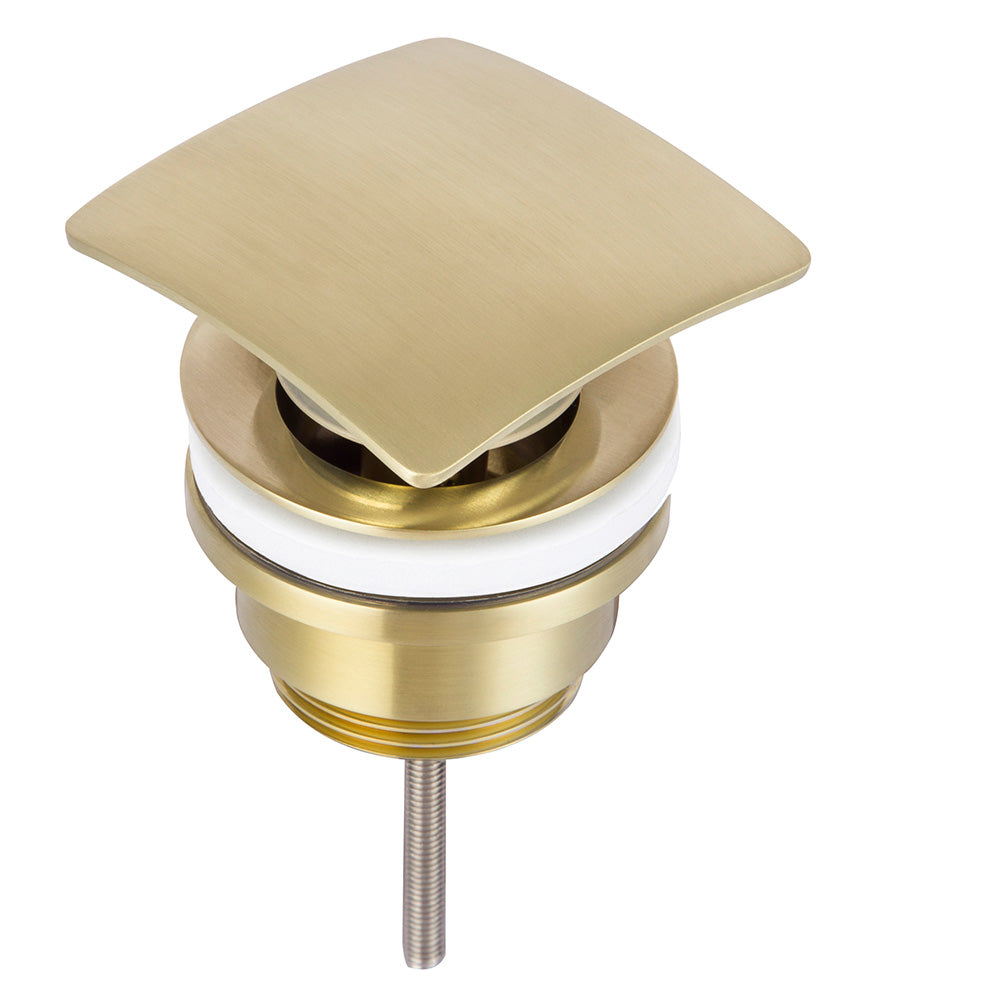
Another distinguishing feature between basin wastes and bath drains lies in their style variations. A free-flow waste, characterized by a push-button mechanism that remains open, serves to prevent sink overflows and is frequently encountered in commercial restroom facilities. Conversely, a captive waste adopts a click-clack mechanism, featuring a plug affixed to a bar. These types of wastes, whether slotted or unslotted, are commonly utilized in commercial contexts.
 |
| Image Credit : Goldbathroom.uk |
When it comes to basin wastes, they typically come in chain or pop-up designs. Chain basin wastes, prevalent in the market, feature a chain linked to the end of the waste. Although chain basin wastes may pose challenges during installation, they offer enhanced convenience for many users as they eliminate the need for a separate stopper and do not necessitate access to the underside of the basin. In contrast, a traditional plug and chain waste relies on a hook for operation, whereas a pop-up waste incorporates a handle at the end of the chain for ease of use.
 |
| Image Credit : Tapron.co.uk |
Unlike traditional plug-and-chain basin wastes, modern plug-and-chain basin wastes represent contemporary iterations of the classic plug and chain model. These basin wastes offer versatility, compatible with a diverse range of bathroom fixtures, and are accessible in a variety of styles and materials. In contrast to traditional basins, plug-and-chain wastes can be installed in any basin design, expanding their applicability beyond the confines of conventional setups where only plug and chain configurations are feasible.
 |
| Image Credit : Goldbathroom.uk |
In addition to choosing between bath waste and basin waste, upgrading your bathroom fixtures can also include enhancing your toilet flush mechanism. Discover how to elevate your bathroom with a luxe toilet flush upgrade in our comprehensive guide. Check out the link here : https://goldbathroom.uk/blogs/news/how-to-change-toilet-flush
No comments:
Post a Comment
Note: only a member of this blog may post a comment.